
How to Experience the Amalfi Coast at Its Best
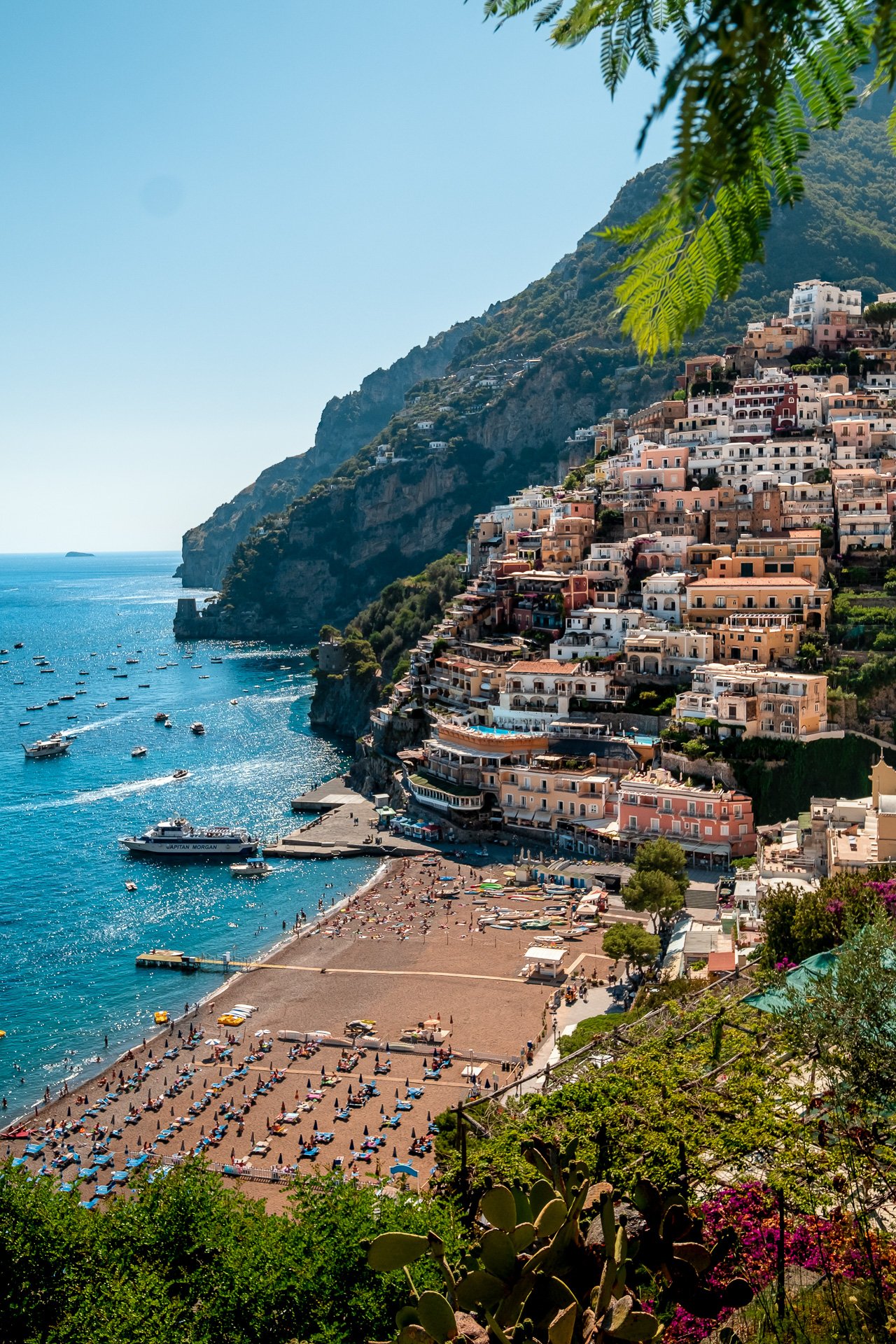
Positano may be the Amalfi Coast’s headline act, but it is only one part of a coastline shaped by mountain paths, garden terraces, beachside towns and some of Italy’s most memorable hotels. The Amalfi Coast takes some effort to reach, but it lives up to the mythology.
Just don’t repeat the mistake I made on my first visit: arriving at Positano’s beach with two 20kg suitcases before checking where my hotel was. One pizza later, I discovered that it was at the very top of town.
I have returned several times since, travelling through Positano, Amalfi, Ravello, Sorrento and the nearby islands. These are the places and experiences around which I would build a first trip.
One of my favourite memories is riding a Vespa along the Amalfi Coast. The coastal road does not appear to believe in straight lines. It follows the mountainside, bending and twisting before revealing fragments of coastline, spectacular vantage points and neighbouring towns.
Positano receives much of the attention. Its pastel buildings appear stacked rather than built, tumbling down the mountainside towards the beach and Mediterranean below. The town will leave you breathless twice: first with the view and then with the steps. Consider it cardio for all the pasta and pizza you’ll be having.
Positano is the coast at its most vertical. Nearby Praiano is quieter and more spread out. Amalfi has the activity of a harbour town, while Ravello, high in the hills, exchanges beach life for gardens and long views across the coastline.
A first trip does not need to last almost two weeks, but attempting to see Positano, Amalfi and Ravello in a single day reduces a place of considerable texture to a succession of viewpoints. The Amalfi Coast is a collection of distinct towns offering different versions of southern Italian life, and the most rewarding trips make room for a little of everything.
Where to Stay
Where you stay has an unusually large influence on an Amalfi Coast trip. Travelling from one town to another is not always straightforward, so the coast’s different towns should be treated as destinations in their own right rather than simply as bases from which to visit Positano.
Choosing accommodation here is not just about aesthetics. Elevation, road access, ferry connections and the number of stairs between your room and the waterfront can change the rhythm of an entire day.
Le Sirenuse, Positano
For many travellers, staying at Le Sirenuse is part of the Positano dream.
We first visited this iconic hotel simply to look out from its reception terrace, so returning as guests and finally staying somewhere that had long been on our bucket list felt particularly special.
The hotel’s elevated yet central position gave our room a private terrace overlooking the majolica dome of Santa Maria Assunta. Le Sirenuse’s old-school charm was brought to life by attentive service, while the beach, harbour and restaurants could all be reached through the narrow streets below.
Best for: couples seeking Positano’s most iconic luxury-hotel experience.
Hotel Villa Franca, Positano
Perched at the top of Positano, Hotel Villa Franca’s contemporary art and sleek interiors offer a more modern interpretation of Amalfi Coast style. Its rooftop pool is the defining feature, with expansive views in almost every direction.
There are a lot of stairs between the beach and the hotel if you decide to walk rather than use its scheduled shuttle. However, once you reach the hotel and begin catching your breath, the view of the coastline threatens to steal it away again.
Best for: travellers who prioritise views, contemporary design and a rooftop pool over immediate proximity to the beach

Hotel Santa Caterina, Amalfi
Set directly along the coastline just outside Amalfi, Hotel Santa Caterina offered the seclusion of a resort without leaving the town out of reach. We arrived by public bus and were dropped directly outside the hotel—a notably uncomplicated transfer on a coastline known for logistical complications.
Our junior suite included a separate living room, private balcony and a bathroom lined with colourful, hand-painted majolica tiles. Below the hotel, a glass elevator descended towards a swimming pool and rock-built deck immediately above the sea. With terraces facing the sunset and a complimentary shuttle into Amalfi, the hotel felt both private and connected.
Best for: couples wanting direct sea access, resort facilities and proximity to Amalfi.
Hotel Bonadies, Ravello
Hotel Bonadies sits high in Ravello, with views extending across the surrounding hills towards the coastline below. Being able to step onto our own terrace and take in that panorama felt like a luxury, while the hotel offered comparatively good value for the area.
Ravello’s main piazza was within walking distance, putting cafés and restaurants close by. Alternatively, dining at the hotel made the view part of the evening.
Best for: travellers wanting a quieter Ravello base, broad coastal views and comparatively good value.
Grand Hotel Excelsior Vittoria, Sorrento
Sorrento is a gateway to the Amalfi Coast rather than part of the coast itself, but it works particularly well at the beginning or end of a longer trip. Grand Hotel Excelsior Vittoria gave ours an appropriately grand finale.
Our suite looked across the Bay of Naples towards Mount Vesuvius, and that evening we dined at the hotel as the sun began to set. The combination of the view, grand setting and fine-dining experience made it feel like a conclusion rather than simply another night of the trip.
Best for: travellers beginning or ending an Amalfi Coast journey in Sorrento and wanting the hotel itself to feel like an occasion.

Where to Eat
Eating on the Amalfi Coast moves between two very different pleasures: formal dinners in extravagant settings with views to match, and simple pizzas eaten close to the beach. We experienced both, and some of our least expensive meals became the ones we remembered most.
Hotel Villa Franca, Positano
Dinner at Hotel Villa Franca remains one of our strongest dining memories from the coast. The service, setting and procession of courses allowed the meal to unfold as a complete evening experience rather than a quick dinner before returning to town.
La Pergola Pizzeria, Positano
For something considerably more relaxed, we headed down to Positano’s beach and ate close to the activity of the waterfront. La Pergola Pizzeria was an enjoyable and relatively budget-friendly option for pizza by Positano standards.
Ristorante Santa Croce, Nocelle
Ristorante Santa Croce overlooks Positano from the mountainside village of Nocelle. Its position makes it a natural place to stop for lunch or dinner after walking the Path of the Gods.
Takeaway Pizza in Atrani
In Atrani, we found an inexpensive takeaway-pizza counter beside the beach umbrellas near Le Arcate. At the time, a large pizza cost only a few euros. It was the ideal quick budget meal to have in any setting we chose.
We took it back to our accommodation in Ravello and ate on our balcony terrace with a glass of wine. It was a lovely reminder that eating along the Amalfi Coast does not always require a high budget.
Things to Do
See Positano from the Water
After exploring Positano on foot, seeing it from the water restores a sense of scale. We booked a trip with Blue Star Positano. You can sail along the coastline, venture further out and visit scenic spots around Capri, or go for a two hour sunset cruise.
We’ve done it all with Blue Star Positano and it’s never failed to disappoint with each trip out onto the water delivering wonderful experiences, amazing sights impossible to get from the roadside, and a collection of great memories.
Walk the Path of the Gods
High in the Lattari Mountains, the Path of the Gods runs for roughly eight kilometres from Bomerano, a hamlet of Agerola, to the sleepy village of Nocelle above Positano.
Most walkers tackle it in that direction, reaching Nocelle after approximately three to four hours. We went the other way as we stayed at Nocelle for a couple of nights. From Nocelle, you can catch the local bus into Positano or continue down the long staircase towards Arienzo.
Its name is not simply a reference to the altitude. Local legend says that the Greek gods crossed the path to save Ulysses from the Sirens on Li Galli.
When we walked it, a small refreshment stand at the Nocelle end served Aperol Spritzes with a view, an excellent reward after the trail, or a great reason not to continue the trek any further.
Visit Fiordo di Furore
Fiordo di Furore compresses the drama of the coastline into one narrow inlet beneath its recognisable arched bridge.
The tiny pebble beach is reached by descending approximately 200 steps from the coastal road. A SITA bus stops above it, making public transport one of the easiest ways to visit. Parking nearby is extremely limited, even for scooters.
Explore Ravello’s Gardens
Villa Rufolo can be visited as a day trip from Positano, but doing so creates a long excursion involving multiple buses. It is far more enjoyable while staying in Ravello, when the gardens can become part of a relaxed two-hour wander rather than another attraction to race through.
Spend time admiring the gardens and coastline views before finding something to eat in one of the cafés surrounding Ravello’s main square.
Find the Roadside Fruit Stand
Along the coastal road between Positano and Praiano is one of the area’s most photogenic roadside fruit stands. It is a short drive from Positano and makes an enjoyable photography stop.
The owner understandably expects visitors taking photographs to purchase something. Buy some fruit, juice or another small item before bringing out the camera. It’s just good manners and supports the person whose business has become part of the attraction.
When to Go
A European summer on the Amalfi Coast sounds like the dream holiday: spritzes in the heat, cool dips in the sea and afternoons beneath the iconic beach umbrellas.
The downside is that summer also brings the coast’s largest crowds, while the heat can become overbearing when climbing Positano’s steps or walking mountain paths.
Our favourite time to visit is the shoulder season immediately after the height of summer. September and early October can still offer warm weather, but the heat is generally gentler and the crowds have thinned to a more manageable volume. However, the ferry and bus frequency and seasonal businesses can change later in the year, so check current schedules before travelling.
.
How to Get to the Amalfi Coast
Naples is the principal international gateway for reaching the Amalfi Coast.
For travellers heading towards Positano, the traditional budget-friendly public-transport route involves taking an airport shuttle to Napoli Centrale before catching the Circumvesuviana from Napoli Piazza Garibaldi to Sorrento. The train journey takes approximately 70 to 75 minutes.
SITA buses depart from outside Sorrento station and travel along the coast. Depending on traffic, reaching Positano from Sorrento generally takes around an hour.
We have made the plane, train and bus journey several times. We have also taken ferries from Naples to nearby islands such as Ischia and Capri before continuing onwards towards Positano or Amalfi using seasonal ferry connections.
The easiest and most comfortable option is a pre-arranged private driver from Naples Airport. It typically costs more than €100 for the nearly two-hour journey, with the final travel time heavily dependent on traffic, but it removes almost all of the logistical headaches.
How to Get Around
Public buses were inexpensive during our stays and enabled us to travel between destinations including Positano, Nocelle, Amalfi and Ravello. They also required patience and a willingness to plan around timetables, traffic and limited space.
Purchase SITA bus tickets before boarding. They are generally available from tobacconists, cafés, newsstands and ticket booths rather than from the driver.
Scooters offer considerably more independence. When we visited, rental prices started from approximately €40 per day. Taxis are available but expensive, while ferries provide an alternative to the road and avoid much of the traffic. Ferry routes and frequency are seasonal and can also be affected by weather conditions.
What to Know Before You Go
Check Where Your Hotel Is
This may seem obvious, but if you take the bus to your destination, research exactly where you will be dropped off in relation to your accommodation.
Positano has two principal SITA stops: Chiesa Nuova and La Sponda. Arriving at the wrong one for your hotel could leave you carrying your luggage along the road or up multiple flights of stairs.
Contact your accommodation in advance and ask which stop is most convenient. It is also worth checking whether the hotel offers a porter or luggage-transfer service.
Pack for the Occasion
Comfortable footwear matters in Positano. Bring blister plasters and use them as soon as you begin to feel a problem developing, as repeated climbs in the summer heat can cause your feet to swell.
Scooter rides can become chilly in the evening, particularly when climbing higher towards places such as Ravello or Nocelle, so carry an additional layer.
Evening clothes are also useful, especially if you intend to eat at some of the coast’s more formal hotel restaurants.
Scooter Rental
Before renting, check that your driving licence covers the scooter’s engine category and whether Italy requires an International Driving Permit for licences issued by your country. An International Driving Permit must accompany your national licence and does not create motorcycle entitlement by itself.
Driving a car along the Amalfi Coast is not for the faint-hearted. Buses are regular, but they fill quickly, and it is not unusual to see a full bus arrive without enough space to take everyone waiting.
If you are experienced, properly licensed and comfortable riding a scooter, it gives you far more control over your day. Riding along the Amalfi Coast’s winding coastal road remains one of my favourite travel experiences.
